
 Русский
 tatar

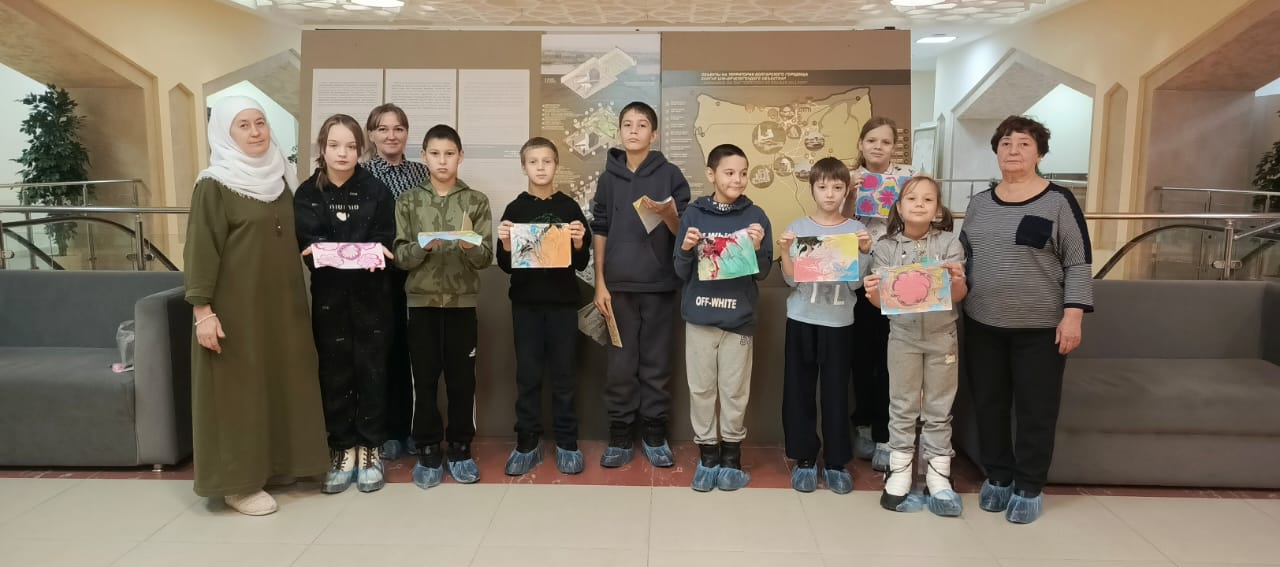
On November 21, 2025, as part of the “Bolgar for All” project implemented at the expense of the “Tatneft” Charitable Foundation, regular classes were held at the archaeological site, in the creative studio “Territory of Opportunities” and in the carpentry workshop of the Bolgar Museum Reserve with 8 4th grade students of Bolgar boarding school for children with disabilities.
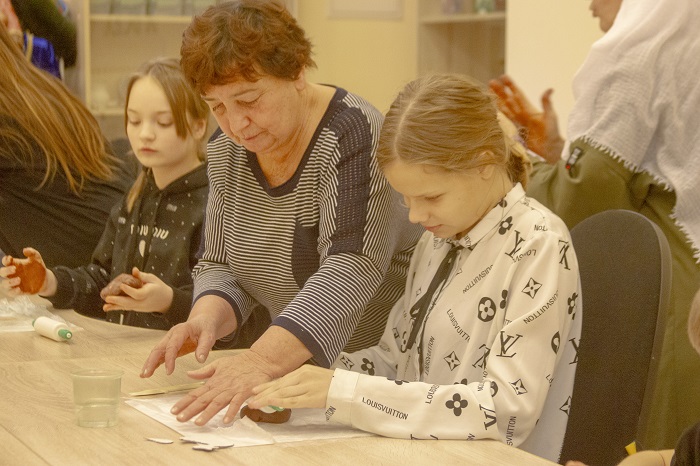
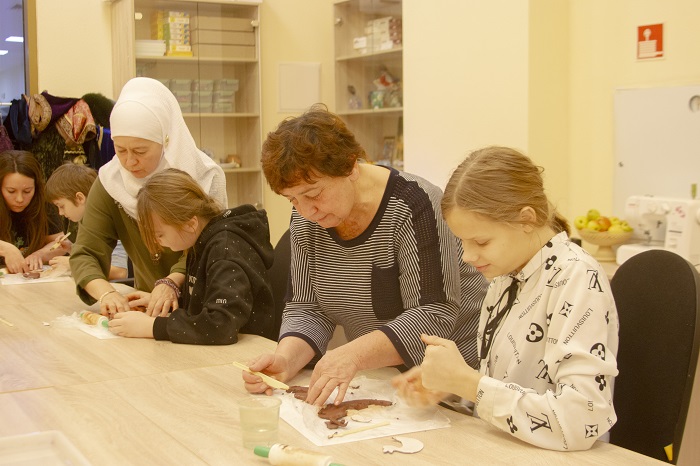
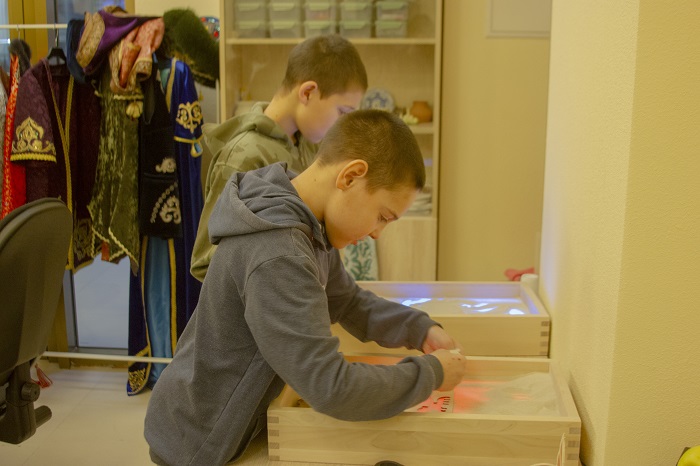
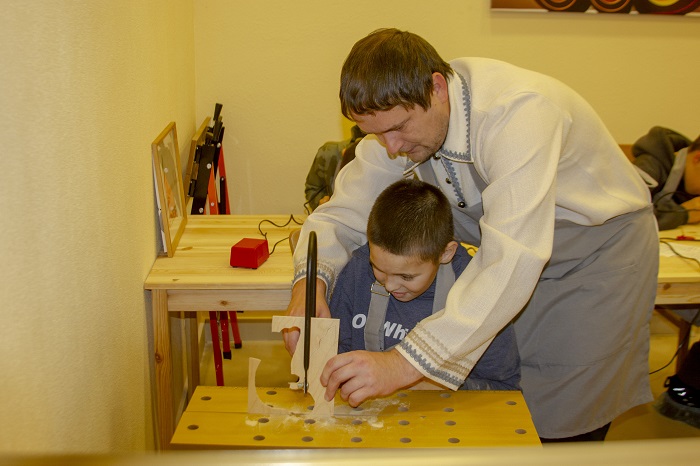
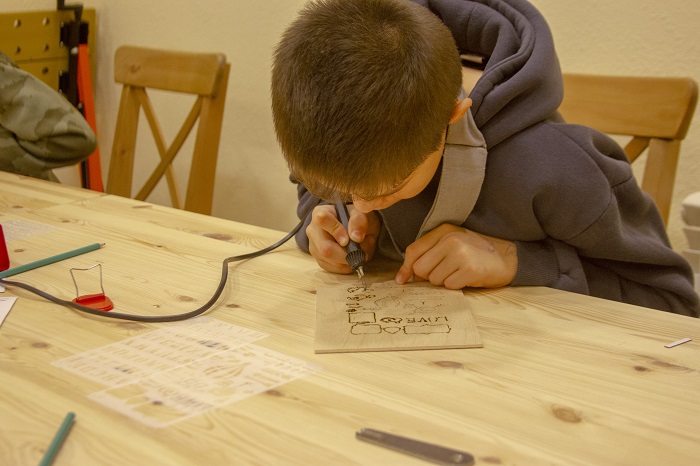
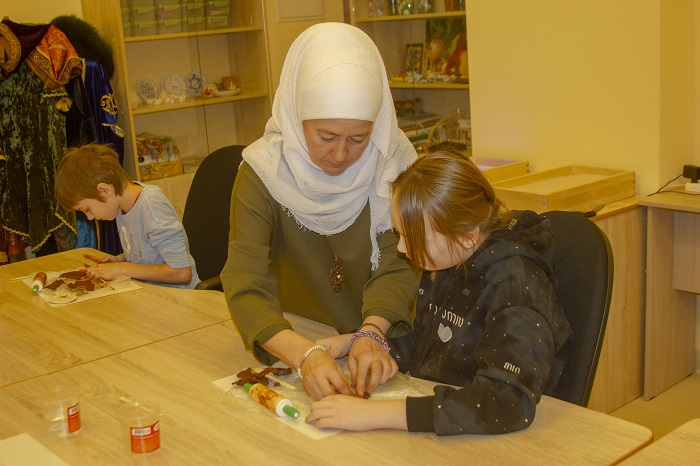
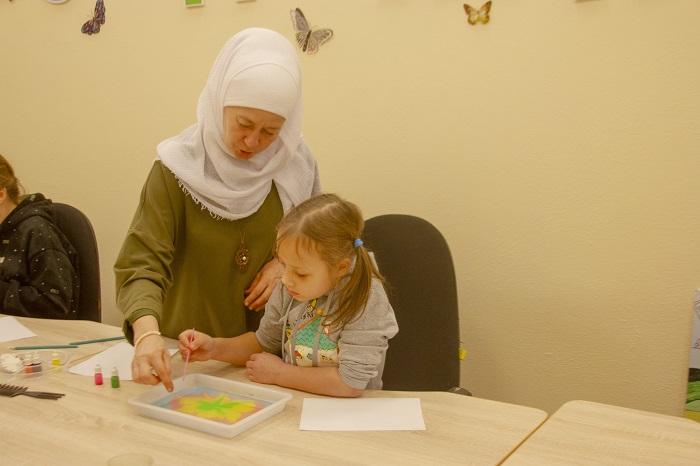
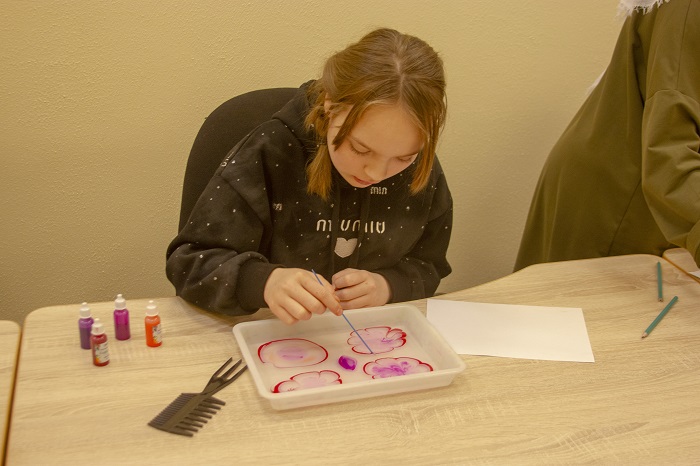
During the event, the children continued their studies at the renovated archaeological site and consolidated their knowledge about the cultural layers of the ancient city of Bolgar. Immersing themselves in the work of archaeologists, the schoolchildren looked into the past and learned how ancient objects discovered during excavations help archaeologists find out how people used to live. The students continued to study in the carpentry workshop where they burned wood and mastered jigsaw carving, and made themselves a souvenir. The second group was engaged in a creative studio. This time, the children worked with clay – they made a duck pendant by hand. The participants were taught how to prepare a new material for work: they learned that first, the clay needed to be kneaded so that it became plastic, without air bubbles; then they rolled a ball out of it, which was later rolled into an even layer; then the duck itself was cut out of it using a stencil. Next, the children decorated the product at their discretion, applying an ornament. To add volume to the pendant, the students rolled beads out of clay, carefully pierced them with a knitting needle and made holes, and applied an ornament. In the future, when the blanks are dry, the children will be able to assemble their decoration. To relieve tension, the children were offered additional classes: painting on water using the Ebru technique and sand painting on special light tables. Some of the participants enjoyed painting with sand on these tables.
Clay is a living material capable of storing and releasing energy. Clay is believed to ground our negative emotions: anxiety, anger, resentment, aggression. At the same time, working with clay evokes positive associations in people – kindness, warmth, health and life. This aspect is important when working with children with disabilities.
Our students enjoy attending classes that are held in the museum space, because they help children visit the museum space itself and travel through time.
Share on social networks