
 Русский
 tatar

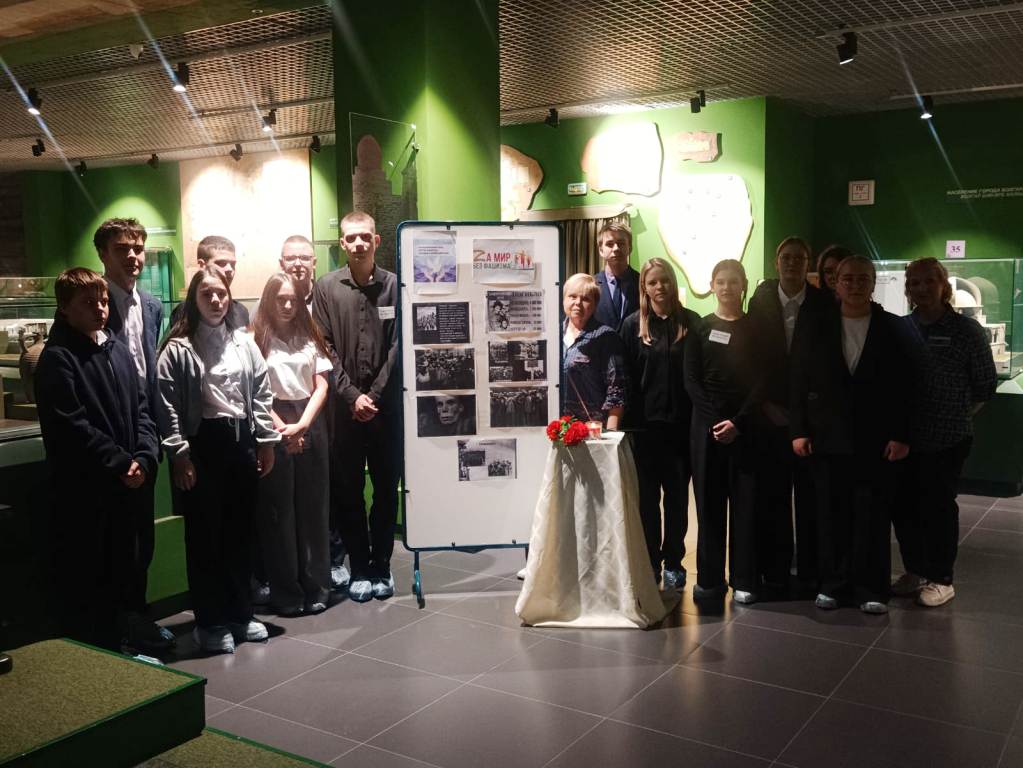
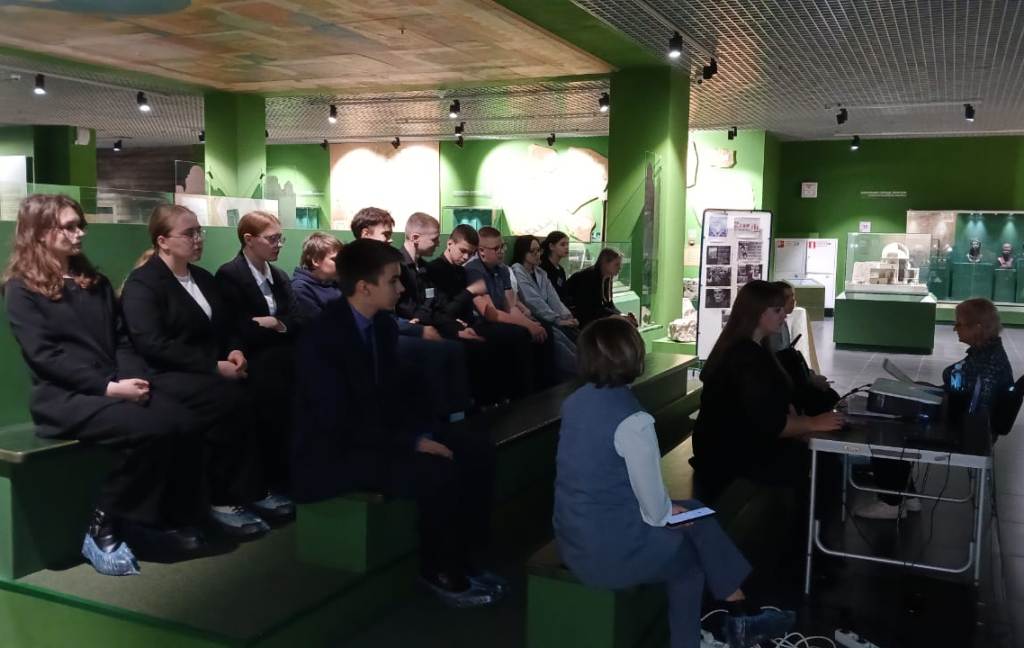
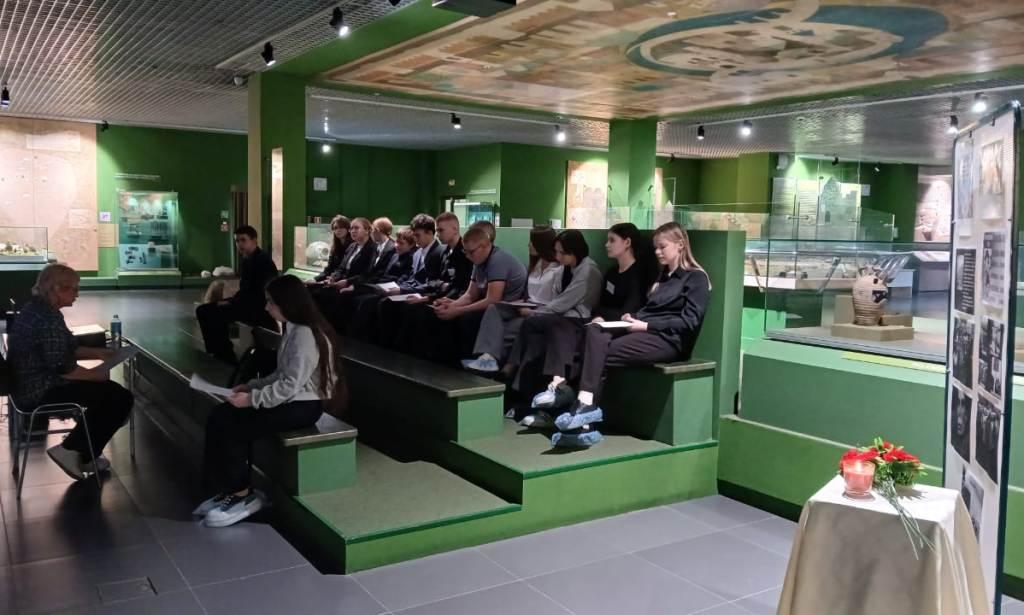
On November 11, 2025, the head of the department “Museum of Bulgarian Civilization” T.G. Zarifullina, the museum curator T.P. Kamayeva and the curator of the exposition A.A. Sheronova conducted an informational and educational lesson “No fascism on the planet!” dedicated to the International Day against Fascism, Racism, and Anti-Semitism for 9th grade students of Bolgar secondary school No. 1.
The lesson was held with the aim of forming students’ tolerance, compassion, Russian civic responsibility, and fostering patriotism.
The children became acquainted with the history of the International Day against Fascism, with such a concept as the “Holocaust”, what is the difference between fascism and Nazism.
On November 9, the world celebrates the International Day of Struggle against Fascism, Racism and Anti-Semitism. This day is devoted to the tragic events that took place on the night of November 9-10, 1938 in Germany and Austria. This was the first mass action of physical violence against Jews. It was called the National Socialist Workers’ Party of Germany. Supporters of this party were called Nazis. Hitler’s Nazism was based on three ideas: the idea of racial superiority of Germans over all other peoples, the doctrine of living space and world domination. Upon entering Soviet soil, the Nazis committed monstrous atrocities and carried out mass shootings. Camps were set up to destroy people, where both military personnel and civilians – women, the elderly, and children – died.
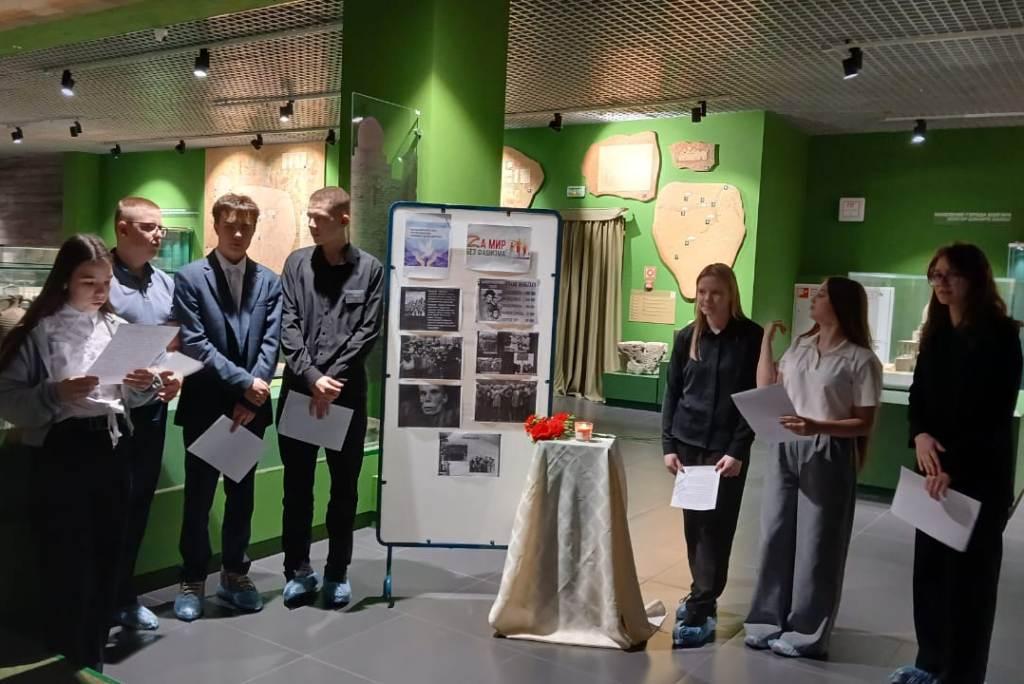
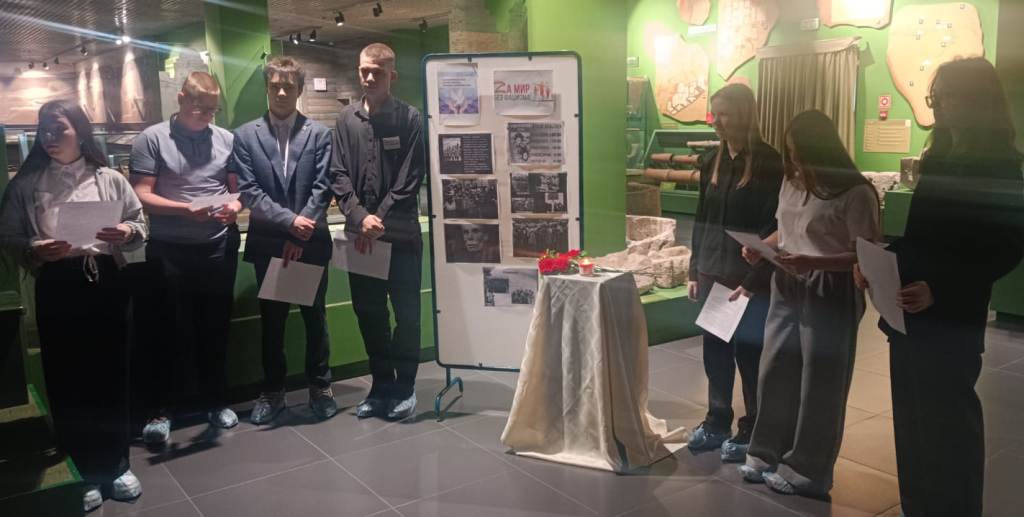
On behalf of the prisoners of the Auschwitz, Buchenwald, Majdanek and Salaspils death camps, schoolchildren read out information about the crimes that took place in these camps.
The documentary video “Without a statute of limitations” about concentration camps was presented to the attention of the students. A minute of silence was observed at the end of the film. A memorial candle was lit throughout the event.
It is important to always remember the crimes of fascism. Humanity cannot and has no right to forget the death camps, the bonfires of living people. That is why today we once again turn to the lessons of the terrible years of fascism. We learn from mistakes, but we cannot repeat such serious mistakes, which cost millions of human lives.
Fourteen schoolchildren took part in the lesson.
Share on social networks