
 Русский
 tatar
tatar
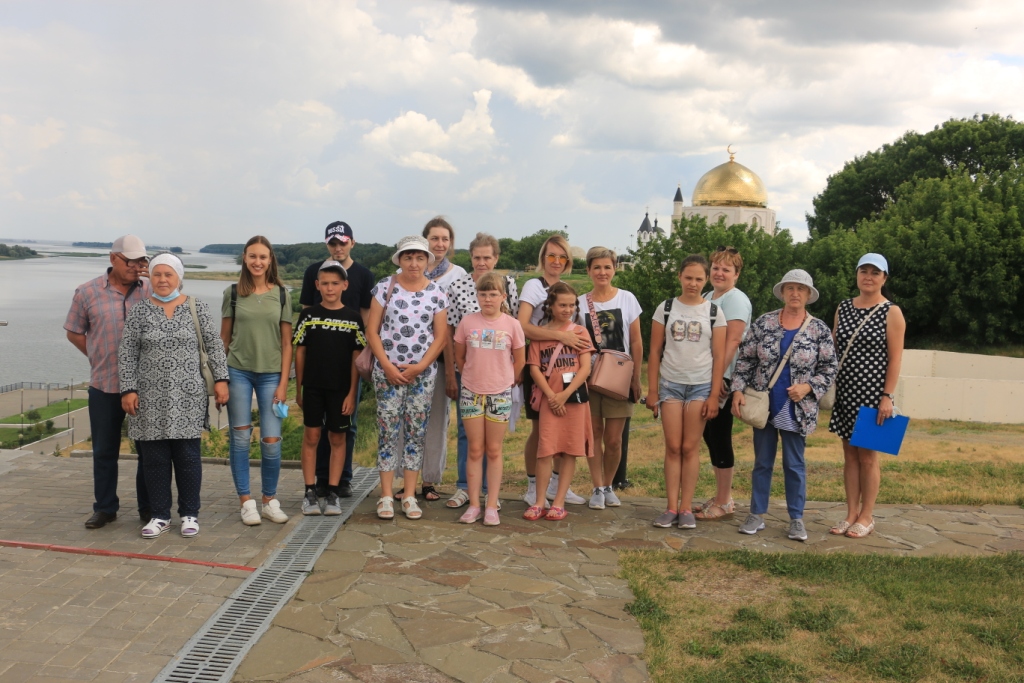
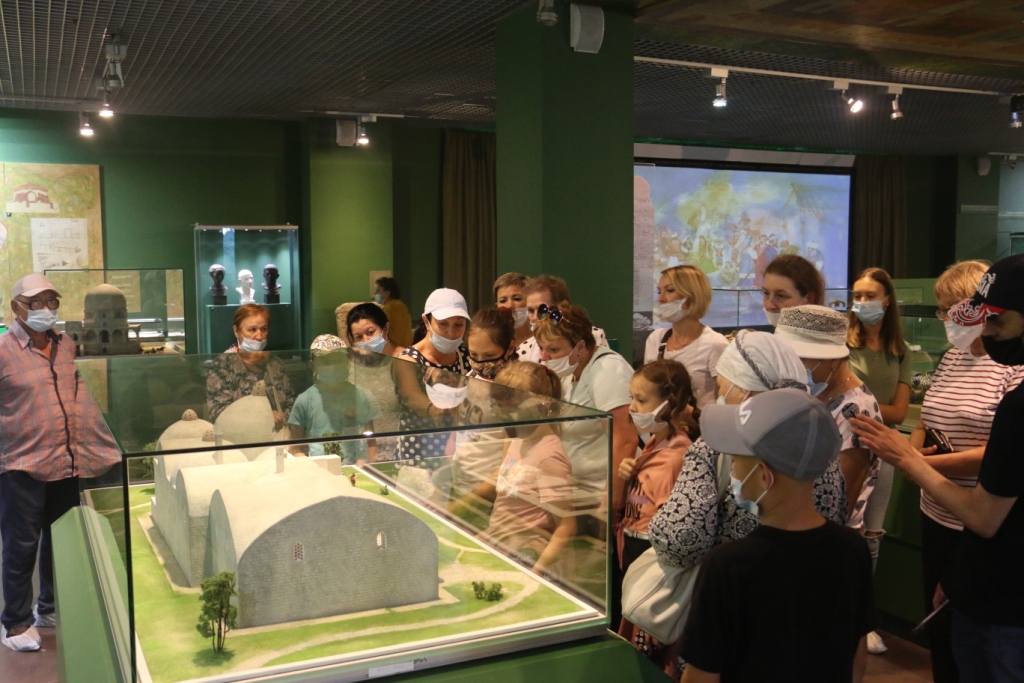
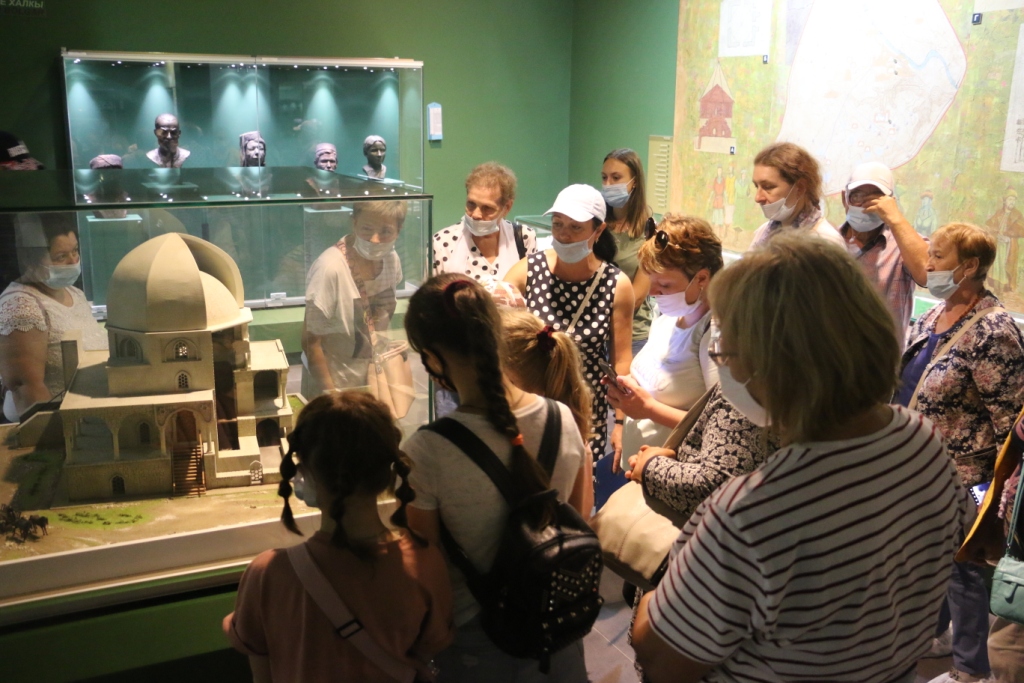
On 9 July 2021, a staff member of the department “Museum Street” of Bolgar Museum-Reserve Sabirzyanova L. I. held a knowledge event on “Defensive fortifications of the cities of Volga Bulgaria”.
Volga Bulgaria was a state of cities. According to archaeological remains of hillforts, they can be divided into three types: big cities, castles of feudal lords and military defensive fortresses. Defensive walls, ditches and fortress walls surrounded all human settlements. Defences are fortification works built on the ground to protect people, technique, materiel etc. They are equipped in the form of trenches, dugouts, shelters and special hideouts.
According to available material, first types of defensive structures were fences of ditches and picket fences sometimes supplemented with a low earthen berm. As military-engineering science developed, fortifications of Bulgarian hillforts were improved and often passed through several stages. Settlements with wooden, earthen and stone walls appeared. The walls had a broken shape and sometimes bastion-like ledges and towers.
Bolgar fortification flourished in the second half of pre-Mongolian period. Fortifications of Bolgar, Bilyar, Suvar, ancient Kazan and other cities can tell about it. A high level of development of military-engineering science was one of the factors that allowed Volga Bulgaria to resist the troops of Mongol khans for nearly thirteen years.
The history of development of fortification in the Middle Volga region went in the same direction as the development of European warfare. Fortresses of Volga Bulgaria, later – of the Golden Horde and Kazan khanate represented examples of advanced engineering and protected residents from enemy invasion.
During the event, the guests became acquainted with the word “fortification” and the types of defensive fortifications, knew how early Bulgars built defences, what defensive structures had the cities of Volga Bulgaria, learned about the interaction between fortification and military tactics. Tourists also had a tour of Bolgar Museum-Reserve.
Share on social networks